Ballet Dancer Princess: A Designer’s Review for Boutique Sweatshirts
As an embroidery designer who has spent years refining digitized art for commercial apparel, I approach every new machine embroidery design with a critical eye. It is not just about whether the image looks cute on a screen; it is about how that design translates to fabric, how it withstands the wash cycle, and whether it elevates the perceived value of the garment. Recently, I evaluated the Ballet Dancer Princess design for a potential limited-run sweatshirt collection aimed at a boutique brand specializing in whimsical, high-quality children’s wear. Here is my professional breakdown of how this piece performs in a real-world production scenario.
First Impressions and Aesthetic Mood
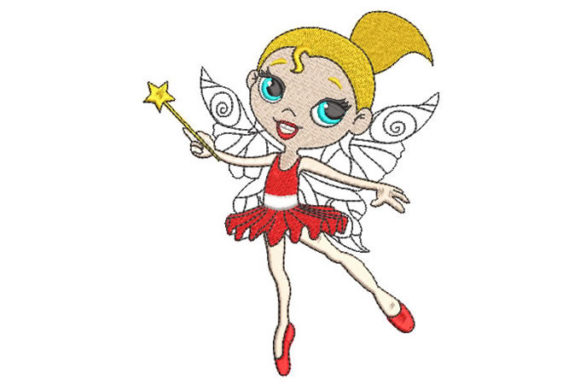
The Ballet Dancer Princess immediately strikes a balance between playful charm and delicate femininity. In the realm of Fairy Tales themed Embroidery, it is easy to fall into the trap of overly complex details that get lost in stitching. However, this design appears to prioritize clear silhouettes and recognizable character traits. The mood is undeniably sweet, making it an ideal candidate for spring collections or holiday gifts. For a boutique brand, the aesthetic leans towards "premium cute" rather than mass-market generic. It suggests a story, inviting the viewer to imagine the little dancer mid-pirouette.
When reviewing the layout, I look for balance. A lopsided design can ruin the drape of a heavy garment. This particular motif seems compact enough to sit comfortably on various placements without overwhelming the fabric. The detail level suggests a moderate stitch density, which is crucial for maintaining the softness of the final product. If the density is too high, the sweatshirt becomes stiff; if too low, the backing shows through. From a visual standpoint, this design promises a smooth, finished look that respects the integrity of the base material.
Application on Sweatshirts and Hoodies
Testing this design on different apparel bases reveals its versatility. On neutral sweatshirts, such as heather grey or oatmeal, the Ballet Dancer Princess pops with clarity. The contrast allows the thread colors to shine without competing with the fabric. For dark fabric options like navy or charcoal, I would recommend using lighter, pastel thread palettes to ensure the ballerina remains visible. This is where careful selection of thread colors becomes a branding decision. A pastel pink and cream palette on a dark hoodie creates a sophisticated, high-end look that appeals to parents seeking quality over quantity.
Placement is key for sweatshirt embroidery. For a standard crewneck, a left-chest placement offers a subtle, branded feel. However, for oversized hoodies, a larger scale version centered on the back makes a bold statement. This design could also work beautifully as a sleeve accent, adding a unexpected detail that customers notice up close. When considering hoodie design trends, minimalism is currently in vogue. This design fits that trend by offering a single, strong focal point rather than an all-over print. It feels decorative yet restrained, perfect for the current market preference for understated luxury in children’s clothing.
Technical Considerations for Production
Before running a production batch, any serious Etsy seller or small shop owner must address technical specifics. Since the exact stitch count and file formats are not provided in the brief description, it is vital to check these details in the digital embroidery file before purchase. You need to know if the design is optimized for the specific hoop size you intend to use. A 4x4 hoop might require scaling down, which could compromise the readability of finer details like the tutu layers or facial features.
Fabric texture plays a massive role in the outcome. Sweatshirts are typically made from French terry or fleece, both of which have a pile. To prevent sinking, a cut-away stabilizer is often recommended for durability, though a tear-away might suffice for lighter blends. The stabilizer choice ensures that the Ballet Dancer Princess does not pucker after washing. Additionally, consider the washing durability. Children’s apparel goes through rigorous cleaning cycles. A well-digitized design will have proper underlay stitches to anchor the top threads, ensuring the ballerina does not unravel or fray over time. This reliability is what builds buyer trust and reduces return rates.
Enhancing Brand Identity and Value
Incorporating a unique design like Ballet Dancer Princess into your lineup does more than just decorate a garment; it defines your boutique brand. Handmade products thrive on uniqueness. When customers see a carefully embroidered character rather than a printed ink image, they perceive higher value. This perception allows for better pricing power. The tactile nature of custom apparel creates an emotional connection. A parent buying this sweatshirt is not just buying warmth; they are buying a piece of art that reflects their child’s personality.
For marketing purposes, this design is highly photogenic. It lends itself well to lifestyle product photography. Imagine a cozy scene with a child reading a book, wearing the sweatshirt. The embroidery catches the light differently than flat prints, adding depth to your printable mockup images and social media content. This visual recognition helps your small shop product stand out in a crowded marketplace. It signals that you care about quality and detail, which is essential for building a loyal customer base.
Final Verdict for Creative Entrepreneurs
The Ballet Dancer Princess is a strong contender for any commercial embroidery project targeting the children’s market. It bridges the gap between whimsical storytelling and wearable art. While it is described as perfect for pajamas and room decor, its potential on structured apparel like sweatshirts is significant. It offers a fresh take on classic fairy tale motifs, avoiding clichés through clean execution.
For creative entrepreneurs, this design serves as a versatile asset. It can be scaled for backpacks, used as a patch for denim jackets, or featured prominently on seasonal loungewear. The key to success lies in the execution: choosing the right fabric, optimizing thread tension, and selecting a color palette that aligns with your brand’s identity. By treating this embroidery file as a core component of your design strategy, you can create a cohesive collection that resonates with customers looking for something special. Always verify the technical specifications of the digital file to ensure it matches your machine’s capabilities, and you will be well on your way to producing a premium finished product that stands out in the handmade community.