Flying Green Butterfly: A Designer’s Review for Craft Fairs
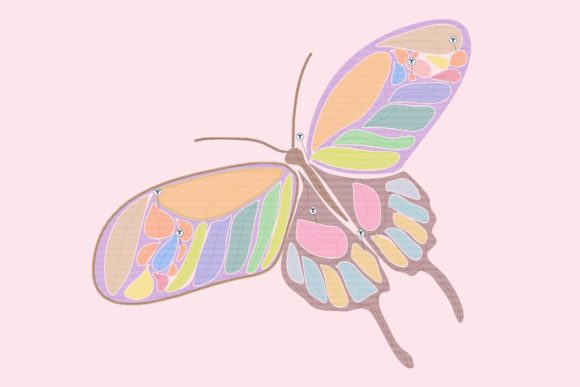
As an embroidery designer who has spent countless weekends behind a booth table, I know that not every design translates into sales. Some are technically impressive but visually quiet, while others capture attention instantly. When I first loaded the Flying Green Butterfly machine embroidery design into my software, I was looking for that specific spark that turns a simple stitch-out into a best-selling craft fair product. This delicate and stunningly beautiful butterfly embroidery promises to add a lovely pop of color to any fabric, but does it hold up under the scrutiny of a busy marketplace?
First Impressions and Visual Appeal
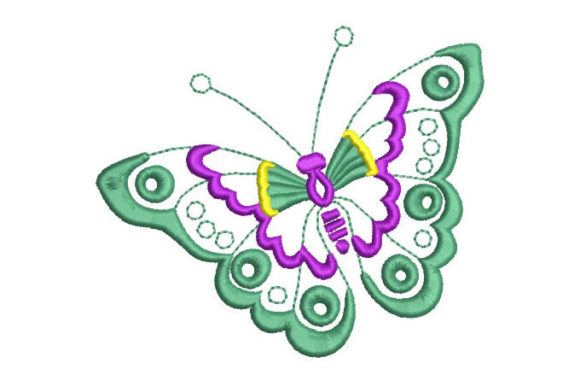
The immediate impression of the Flying Green Butterfly is one of elegance and freshness. In the world of Bugs and Embroidery, butterflies can often feel cliché or overly childish. However, this design leans toward a more refined aesthetic. The green palette suggests nature, growth, and tranquility, making it versatile for various demographics. It is not loud or aggressive; instead, it feels soft and decorative.
For a craft fair seller, visual clarity is paramount. Customers walking past your booth have only seconds to decide if they will stop. This design works because it is recognizable at a distance. The silhouette is clean, and the use of green thread against neutral fabrics creates a high-contrast look that draws the eye without overwhelming it. It feels modern yet timeless, fitting seamlessly into both farmhouse and contemporary boutique styles.
Strategic Product Placement for Maximum Sales
Choosing the right canvas for your digital embroidery file is just as important as the design itself. Based on my experience with similar motifs, here is how the Flying Green Butterfly performs across different handmade products:
- Tote Bag Design: This is arguably the strongest application. A large tote bag provides ample space for the butterfly to breathe. Placing it slightly off-center on a natural cotton canvas allows the green threads to pop. It transforms a basic bag into a statement piece that appeals to eco-conscious shoppers.
- Apron Embroidery: Kitchenware is a staple at craft fairs. Stitching this design on the bib of a linen apron adds a touch of whimsy. It suggests a love for gardening or cooking, making it an excellent gift item.
- Tea Towel Embroidery: For smaller hoop sizes, this design works well as an accent. However, you must be cautious with fabric texture. Thick, waffle-weave towels can distort small details. Stick to smooth flour sack towels for the crispest results.
- Embroidered Patch: If you offer iron-on or sew-on patches, this design is ideal. It allows customers to customize their own jackets or jeans. Ensure you use a dense satin stitch border to prevent fraying edges.
- Pillow Covers and Scarves: As mentioned in the product description, these items benefit from the "pop of color." On a scarf, place the butterfly near the hem for a subtle, high-end look. On pillows, consider mirroring two butterflies for a balanced composition.
Production Practicalities for Small Shop Owners
For Etsy sellers and creative entrepreneurs, batch production is key to profitability. The Flying Green Butterfly appears to be designed with efficiency in mind. It does not seem to rely on excessive jump stitches or complex color changes that slow down the machine. This makes it a viable option for creating multiple finished products in a single day.
When preparing this as a craft fair product, consider the stitch density. While the description highlights its delicate nature, ensure that the density is sufficient to cover the fabric without being so thick that it causes puckering. Test the design on scrap fabric before committing to your final inventory. Pay close attention to the thread colors. Since the design is monochromatic or limited in palette, the quality of your green thread matters. Use a high-sheen rayon or polyester to give the wings a lifelike shimmer.
Navigating Fabric and Hoop Constraints
One critical aspect of using any digital embroidery file is understanding its limitations. The Flying Green Butterfly may lose clarity if scaled down too much. Tiny details in the wing patterns can merge if the hoop size is too small or if the fabric has a loose weave. Always check the recommended hoop size provided with the design assets. If you are stitching on curved surfaces like caps, use a cap frame and appropriate stabilizer to prevent distortion.
Dark fabrics present another challenge. Green threads may not show up well on navy or black materials. For dark garments, consider adding a white underlay or choosing a lighter shade of green to maintain visibility. Conversely, on white or cream fabrics, the design will stand out beautifully, enhancing the perceived value of the handmade product.
Boosting Brand Consistency and Buyer Engagement
Incorporating the Flying Green Butterfly into your product line can strengthen your brand identity. If your shop focuses on nature-inspired or calming aesthetics, this design reinforces that message. It creates a cohesive look across your tote bags, aprons, and home decor items. Customers appreciate when a booth feels curated rather than cluttered with unrelated themes.
For online listings, this design photographs exceptionally well. The green hue contrasts nicely with wood backgrounds or plant props, creating attractive printable mockup opportunities. High-quality images of the stitched texture can significantly increase click-through rates for your Etsy seller account. Highlight the "handmade quality" by showing close-ups of the stitch work in your photos.
Essential Designer Notes Before You Stitch
Before you launch this as a commercial embroidery product, follow these practical steps to ensure success:
- Test on Scrap Fabric: Never stitch directly on your final product without a test run. Check for thread breaks or tension issues.
- Check Thread Contrast: Ensure the green thread stands out against your chosen fabric color. Adjust shades if necessary.
- Review Spacing: If placing multiple butterflies, ensure there is enough space between them to avoid a crowded look.
- Confirm Hoop Size: Verify that the design fits within your machine’s maximum hoop capacity.
- Inspect Stitch Density: Look for areas that might be too dense for lightweight fabrics like scarves.
- Use the Right Stabilizer: Match the stabilizer to the fabric weight. Cut-away for stretchy fabrics, tear-away for stable woven cottons.
- Create Real Mockups: Photograph the actual stitched item, not just the digital file, to build trust with buyers.
- Compare Fabric Colors: See how the green looks on beige, white, gray, and denim to determine your best-selling combinations.
- Confirm Commercial Licensing: Always review the license terms included with the digital embroidery file. Ensure you are permitted to sell finished products made with this design.
The Flying Green Butterfly is more than just a pretty image; it is a strategic asset for your handmade business. By understanding its strengths and limitations, you can create products that not only look beautiful but also sell effectively. Whether you are updating your Etsy shop or preparing for your next weekend market, this design offers the versatility and charm needed to engage buyers and elevate your brand.