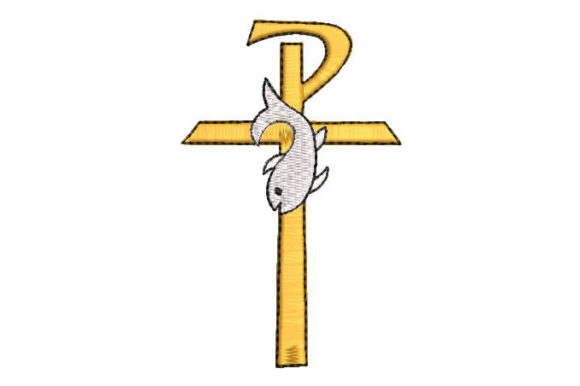
Review: Cross with Fish First Communion Design
As an embroidery designer who has spent years digitizing and testing files for small business merchandise, I approach every new machine embroidery design with a critical eye. It is not just about whether the image looks pretty on a screen; it is about how that design performs under the needle, how it translates to fabric, and ultimately, how it serves the brand identity of the client using it. Recently, I evaluated the Cross with Fish First Communion design, a piece rooted in the Religion category, to determine its viability for commercial embroidery projects beyond its traditional liturgical use.
This review focuses on the practical application of this embroidery file for small business owners, Etsy sellers, and apparel decorators. We will look at stitch quality, fabric compatibility, and strategic placement for branded goods.
First Impressions and Visual Personality
The Cross with Fish First Communion immediately presents itself as a symbol of elegance and tradition. The combination of the cross and the ichthys (the fish symbol) creates a balanced composition that feels both classic and decorative. For a designer, the first thing I look for is clarity. Does the design read well from a distance? In this case, the interplay between the vertical line of the cross and the curved lines of the fish offers a dynamic visual interest that avoids looking static.
The description notes that this is a high-quality embroidery perfect for celebrating the first communion. From a branding perspective, this suggests a design that is clean, respectful, and premium. It does not feel playful or rustic; rather, it leans toward the elegant and professional side of the spectrum. This makes it an excellent candidate for businesses that want to convey trust, heritage, and community values through their custom apparel and merchandise.
Performance in Real Business Use Cases
While the primary association is religious, the versatility of this design allows it to function effectively in various small business merch contexts. Here is how I envision this design performing in real-world applications:
- Embroidered Patches: This is perhaps the strongest use case. An embroidered patch featuring this motif can be produced in bulk and sold as standalone items or attached to jackets, bags, and hats. The symbolic nature appeals to niche markets, making it a valuable asset for craft businesses.
- Apron Embroidery: For bakeries, florists, or faith-based bookstores, placing this design on the chest or pocket of an apron adds a touch of personalization. It elevates a standard uniform into a handmade product that feels curated and thoughtful.
- Tote Bag Design: Canvas tote bags are a staple for boutique merchandise. The Cross with Fish First Communion works well as a central focal point on a tote, appealing to customers looking for meaningful accessories. The contrast of thread against natural canvas can create a striking visual.
- Cap Embroidery: Placing this design on the front panel of a cap requires precision. If the design is scaled correctly, it serves as a subtle yet significant identifier for community groups or church staff uniforms.
The description states that it will stitch out perfectly and easily onto any fabric. As a professional, I interpret "easily" as a sign of good digitizing practices, such as proper pull compensation and secure tie-offs. However, "any fabric" is a broad claim that requires careful testing by the end user.
Strategic Placement and Technical Considerations
When integrating this design into your product line, you must consider the physical constraints of the embroidery process. The success of the finished product depends heavily on where you place the design and what materials you use.
Stitch Density and Fabric Texture: If the design has a high stitch density, it may cause puckering on lightweight fabrics like silk or thin cotton. For delicate items, I recommend using a cut-away stabilizer to provide lasting support. Conversely, on heavy textures like denim or thick canvas, ensure the needle size is appropriate to prevent breakage. Always test the design on a scrap piece of the actual fabric you intend to use for production.
Small Patch Sizes and Detail: If you plan to use this as a small logo accent on a sleeve or a tiny label, check the spacing between the cross and the fish. Fine details can merge if the design is scaled down too far. I advise creating a printable mockup at 100% scale to visually inspect the clarity before stitching. If the lines are too close, the threads may bridge, losing the definition of the symbols.
Thread Colors and Contrast: For brand identity, consistency is key. While gold and white are traditional for communion themes, consider how this design looks in your brand’s specific thread colors. A monochrome version in black or navy can look incredibly sophisticated on light-colored uniforms, while metallic threads can enhance the premium feel for special event merch. Always check the contrast against dark uniforms to ensure visibility.
Enhancing Brand Identity and Customer Trust
Incorporating a well-executed design like Cross with Fish First Communion into your offerings does more than just decorate an item; it builds brand equity. For small business owners, especially those in the handmade or faith-based sectors, this design signals attention to detail and respect for tradition.
When customers see a cleanly stitched, professional-looking emblem on a tote bag or apron, it reinforces their trust in your quality. It transforms a generic item into a piece of small business merch that carries emotional weight. This is particularly important for Etsy sellers and creative studios where the story behind the product is as important as the product itself.
Furthermore, using consistent design assets across different products—such as matching patches on hats and embroidered logos on shirts—creates visual consistency. This recognition helps customers identify your brand instantly, fostering loyalty and engagement.
Practical Designer Notes for Production
Before launching this design into your commercial embroidery workflow, follow these essential steps to ensure quality and compliance:
- Test in Black and White: Stitch a sample using only one color or black thread. This reveals the underlying structure and density without the distraction of color changes, helping you spot any potential tension issues.
- Verify Hoop Size: The description mentions the design comes with multi formats, but it does not specify exact dimensions. Confirm the hoop size required for your machine. Ensure your hoop can accommodate the design with enough margin for stable clamping.
- Check Commercial Licensing: Never assume a digital file is free for commercial use. Review the license terms associated with this digital embroidery file explicitly. Ensure you have the right to sell items made with this design.
- Create Client Mockups: If you are working with a B2B client, present a digital mockup alongside a physical sample. This manages expectations and allows for adjustments in thread color or placement before full production runs.
- Inspect Spacing on Curved Surfaces: If applying this to caps or curved bags, be aware that the geometry of the surface can distort the design. Use appropriate framing techniques to minimize distortion during stitching.
In conclusion, the Cross with Fish First Communion is a versatile and professionally viable design for those in the Embroidery industry looking to expand their religious or community-focused product lines. By paying attention to technical details like stabilizer choice, thread contrast, and licensing, small business owners can leverage this design to create high-value, meaningful merchandise that resonates with their audience.