Witchin: A Practical Review for Halloween Embroidery
As a designer who spends more time staring at stitch maps than actual fabric, I have learned to be skeptical of holiday-themed machine embroidery design files. Too often, they are overly dense, lack clarity at smaller sizes, or rely on gimmicky fonts that turn into thread nests after one wash. However, when I pulled up the file for Witchin, my initial reaction was one of cautious optimism. It is not just another generic pumpkin patch; it carries a specific visual personality that feels both playful and polished.
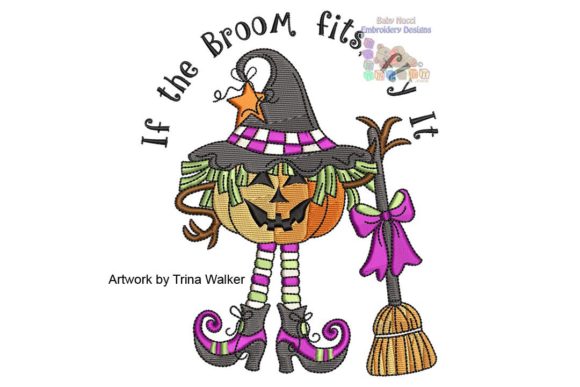
The first impression of Witchin is defined by its balance. The layout avoids the clutter that plagues many seasonal designs. Instead of cramming every possible Halloween trope into a single hoop, it focuses on a cohesive theme. The shape and detail level suggest a design that respects the limitations of the needle. For those of us running small shops or fulfilling custom orders, this restraint is vital. It means the design is likely to stitch out cleanly without excessive jump stitches or trim points that slow down production.
Real-World Application: The Custom Sweatshirt Test
To truly evaluate an embroidery file, you must imagine it on a finished product. I recently worked on a batch of custom apparel for a local boutique preparing for the October rush. The client wanted something subtle yet festive for adult-sized sweatshirts. This is where Witchin shines. Unlike aggressive, high-contrast graphics that can look juvenile on adult garments, this design offers a sophisticated charm.
When stitched onto a mid-weight cotton blend sweatshirt, the design held its structure beautifully. The visual mood it creates is whimsical but grounded. It does not scream "costume party"; rather, it whispers "autumn aesthetic." This distinction is crucial for Etsy sellers and craft business owners who need to justify higher price points. A customer is more likely to pay a premium for a piece of custom apparel that feels like a wardrobe staple rather than a disposable novelty item.
I also considered how Witchin would perform on other substrates. For a tote bag design, the open areas in the layout allow the texture of the canvas to show through, adding depth to the finished product. On kitchen towels, the design’s scale feels appropriate for a corner placement, turning a standard personalized gift into a charming heirloom-quality item. Whether used for baby embroidery on a bib or as a focal point on an apron, the versatility is evident.
Technical Considerations for Stitching Success
While the aesthetic appeal is strong, practical execution requires attention to detail. Here is how Witchin performs under the microscope of technical scrutiny.
- Stitch Density and Fabric Choice: The design appears to use a mix of satin stitch for borders and fill stitch for larger areas. On thin or stretchy fabrics, such as jersey knits for t-shirts, a proper stabilizer is non-negotiable. Without it, the tension from the fill areas could cause puckering. I recommend testing on scrap fabric first to gauge the necessary stabilizer weight.
- Small Hoop Sizes: If you are planning to use this on caps or small patches, check the dimensions carefully. While the design is scalable, shrinking it too much may cause the finer details to merge. The stitch density must be monitored to ensure the needle does not perforate the fabric excessively in tight corners.
- Thread Color Contrast: The impact of Witchin relies heavily on your thread colors. On dark fabrics, using metallic or bright neon threads can create a striking effect, ideal for holiday embroidery. On light fabrics, deeper tones provide necessary definition. Always test your color palette on both light and dark backgrounds before committing to a production run.
For those interested in commercial embroidery, the clarity of the lines is a significant advantage. Blurry edges kill perceived value. This design maintains crispness, which enhances brand consistency and customer trust. When a buyer receives a product with clean, professional stitching, they are more likely to return and leave positive reviews.
Navigating Potential Pitfalls
No design is perfect for every scenario. There are specific situations where you should approach Witchin with caution. Curved surfaces, such as the front panel of a baseball cap, require careful hooping. If the design has any large solid areas, they may pull on the curved fabric, leading to distortion. In such cases, consider using a water-soluble topping to keep the stitches floating above the fabric texture.
Additionally, if you are creating items that require frequent washing, such as kitchen towels or baby clothes, ensure that any tiny lettering or intricate details are secure. Small, isolated satin stitches can sometimes loosen over time if not properly anchored. Review the stitch path in your software to confirm that tie-offs are sufficient.
Enhancing Product Value and Marketability
From a business perspective, Witchin is a valuable asset for your design assets library. It fits seamlessly into a broader autumn collection. For digital embroidery file sellers, offering this as part of a bundle can increase average order value. For handmade shop owners, it provides a quick way to create seasonal inventory without starting from scratch.
The design’s adaptability makes it suitable for various printable mockup presentations. Because it is not overly complex, it renders well in digital previews, helping potential customers visualize the final item. This improves buyer engagement on platforms like Etsy. Whether you are selling the embroidered patch itself or the finished garment, the professional look of the design supports a higher perceived value.
Final Designer Notes
Before you load Witchin into your machine for a client project, take these final steps:
- Verify the license terms. Ensure you have the right to use the digital embroidery file for commercial sales if you plan to sell the finished product.
- Check the recommended hoop size against your machine’s capabilities.
- Run a test stitch on similar fabric to adjust tension and thread choice.
- Consider the end-use. Will this item be washed often? If so, reinforce critical areas.
In conclusion, Witchin is a thoughtful addition to any Halloween-themed collection. It balances festive fun with professional execution, making it a reliable choice for both hobbyists and serious small shop product creators. By respecting the technical requirements and leveraging its visual strengths, you can create items that stand out in a crowded market.