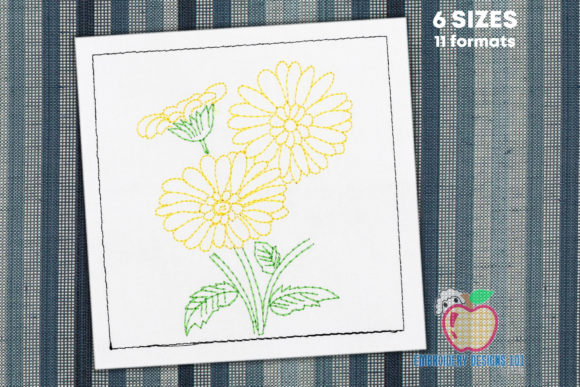
African Daisy Line Art: A Designer’s Review
As an embroidery designer who has spent years testing digital files for real-world application, I approach every new machine embroidery design with a critical eye. It is not enough for a pattern to look pretty on a screen; it must hold up under the needle, survive the wash, and evoke emotion in the recipient. Recently, I had the opportunity to test African Daisy Line Art, a delicate floral motif from the Single Flowers category. My goal was simple: determine if this design possesses the versatility and charm required for a high-end personalized gift shop.
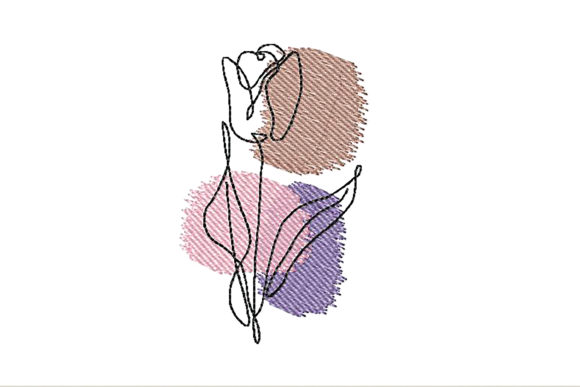
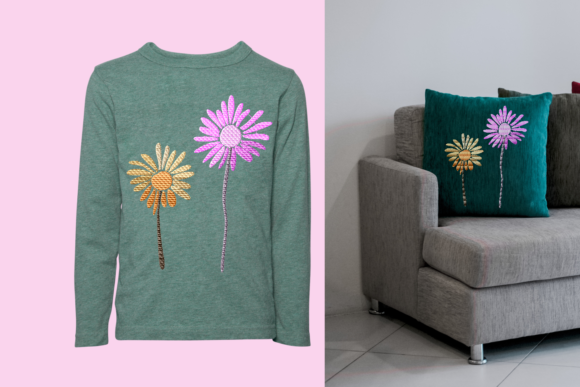
The first impression of African Daisy Line Art is one of understated elegance. Unlike dense, satin-stitch heavy designs that can feel bulky on lightweight fabrics, this line art style relies on clean contours and negative space. The mood is distinctly modern yet timeless, striking a balance between playful and romantic. For makers and Etsy sellers, this aesthetic is crucial. It appeals to customers who want a handmade product that feels curated rather than mass-produced. The simplicity of the daisy allows it to blend seamlessly into various styles, from rustic farmhouse decor to minimalist nursery themes.
Real-World Application for Personalized Gifts
To truly understand the value of an embroidery file, you must imagine it on a finished item. I visualized African Daisy Line Art across several popular product categories. For baby items, the design shines. Imagine a soft muslin swaddle or a cotton onesie adorned with this gentle flower. Because line art typically uses less thread than filled designs, it remains breathable and soft against sensitive skin, making it an excellent choice for baby embroidery. It avoids the stiffness that often plagues larger, denser motifs on infant wear.
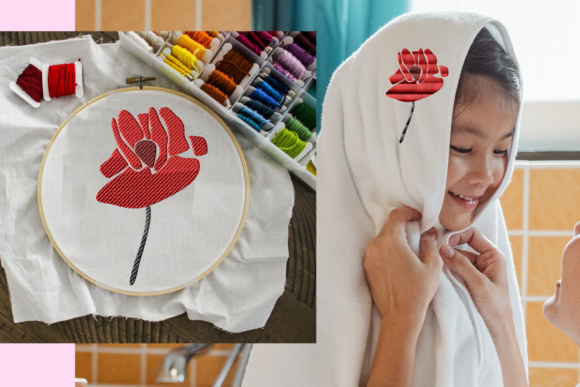
For home goods, the potential is equally vast. I pictured this design stitched onto a linen embroidered towel or a set of kitchen aprons. The linear quality of the daisy complements the weave of natural fibers beautifully. It adds a unique floral touch without overwhelming the fabric’s texture. For wedding enthusiasts, this design could serve as a subtle accent on a bridal robe, a guest book cover, or even a custom pillow cover for the newlyweds’ home. Its classic shape ensures it will not look dated in a few years, enhancing its value as a family keepsake.
Navigating Fabric and Technical Challenges
While African Daisy Line Art is versatile, it is not without its technical considerations. As a designer, I always advise testing on scrap fabric before committing to a final personalized gift. Line art designs rely heavily on precision. If the stitch density is too low, gaps may appear in the lines, breaking the visual continuity. Conversely, if the tension is off, the lines may pucker. Therefore, checking your machine’s tension and using the correct stabilizer is non-negotiable. For stretchy fabrics like baby clothes, a cut-away stabilizer is often safer than tear-away to prevent distortion over time.
Fabric texture also plays a significant role. On smooth cottons or linens, the crisp lines of the daisy will stand out sharply. However, on textured towels or thick denim, the fine details might get lost. In such cases, I recommend increasing the scale of the design slightly or choosing a contrasting thread color to ensure visibility. Dark fabrics require careful planning as well; while white or cream thread offers a striking contrast on navy or black, you must ensure the thread sheen does not clash with the fabric’s finish. Always compare light and dark fabric mockups before finalizing your product lineup.
Enhancing Perceived Value and Customer Trust
From a business perspective, the choice of design directly impacts perceived value. African Daisy Line Art exudes a sense of sophistication that can justify a higher price point for custom embroidery services. Customers are increasingly drawn to items that tell a story, and a well-executed floral motif suggests care and attention to detail. When used in product photography, the clean lines of this design photograph exceptionally well, avoiding the shadow-heavy issues that sometimes plague dense satin stitches. This leads to better buyer engagement and higher conversion rates for your small shop product listings.
Furthermore, this design supports the narrative of quality. A finished product featuring crisp, unbroken lines signals professional craftsmanship. For wedding gift designers or creators of nursery decor, this reliability builds customer trust. Buyers feel confident that the item they are purchasing is durable and thoughtfully made. The emotional connection fostered by such a delicate, beautiful flower cannot be overstated; it transforms a simple object into a cherished memory.
Practical Notes for Makers and Sellers
Before adding African Daisy Line Art to your inventory, there are several practical steps to take. First, confirm the hoop size compatibility. While single flowers are often small, ensure the design fits within your standard hoops without requiring excessive re-hooping, which can lead to misalignment. Second, review the license terms. If you plan to sell items featuring this digital embroidery file, you must confirm that commercial licensing is included. Never assume; always check the provider’s terms to protect your business.
Additionally, consider creating a printable mockup or digital preview for your online store. Showcasing the design on various items—such as tote bags, hats, and bedsheets—helps customers visualize the end result. This is particularly important for commercial embroidery where clients may not have an embroidery background. By providing clear examples, you reduce hesitation and increase sales.
In conclusion, African Daisy Line Art is a strong contender for any embroidery designer’s library. Its adaptability across different fabrics and product types, combined with its elegant aesthetic, makes it a valuable asset for creating meaningful personalized gifts. Whether you are stitching a blanket embroidery for a newborn or a chic tote for a gardening enthusiast, this design delivers both beauty and functionality. Just remember to respect the technical nuances of line work, choose your materials wisely, and let the simplicity of the daisy speak for itself. With proper execution, this Single Flowers design will undoubtedly become a staple in your collection of premium Embroidery products.