One Line Rose: A Minimalist Embroidery Review
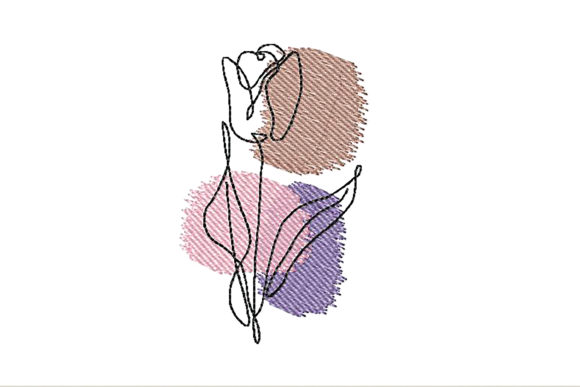
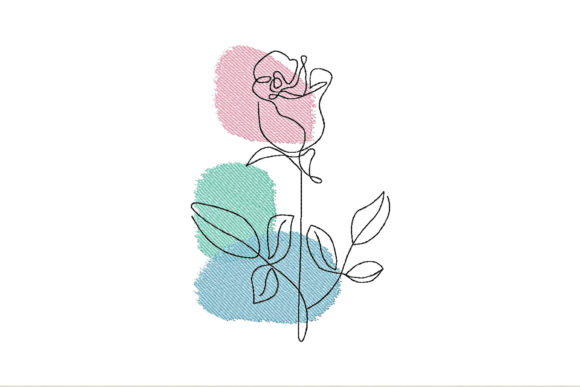
As a designer who has spent countless hours digitizing and testing patterns, I have learned that simplicity is often the hardest quality to achieve. When I first loaded the One Line Rose into my embroidery software, I was immediately struck by its restraint. In a market saturated with dense floral arrangements and complex shading, this design chooses to speak quietly. It is a single abstract rose, rendered with a fluidity that suggests movement rather than static decoration. For those of us in the craft business, finding designs that bridge the gap between modern aesthetics and traditional machine embroidery can be challenging. This piece feels like it belongs to that rare category of versatile assets that work as well on a high-end boutique tote as they do on a casual baby onesie.
First Impressions and Visual Personality
The mood of One Line Rose is calm, sophisticated, and slightly whimsical. Because it relies on a continuous or near-continuous line aesthetic, it avoids the heavy, blocky look that sometimes plagues smaller embroidery files. The layout is balanced, with a natural curvature that draws the eye upward. This visual personality makes it an excellent candidate for projects where you want a floral touch without overwhelming the fabric. It does not scream for attention; instead, it invites a closer look. For Etsy sellers and handmade shop owners, this subtlety is a significant advantage. It allows the quality of the stitching and the texture of the material to shine through, rather than hiding behind excessive thread coverage.
When evaluating any new embroidery design, I always consider how it translates from screen to stitch. With Single Flowers categories, the risk is often that the design looks too generic. However, the abstract nature of this rose gives it a unique artistic flair. It feels less like a clip-art insertion and more like a deliberate design choice. This distinction is crucial for building brand consistency. If your small shop focuses on minimalist home decor or modern apparel, this design aligns perfectly with that identity.
Real-World Application: The Tote Bag Test
To truly understand the value of a digital embroidery file, you must imagine it in a real-life scenario. Recently, I was preparing a custom order for a local bookstore looking for branded merchandise. They wanted something elegant but durable for their canvas tote bags. I selected One Line Rose for this project. The decision was driven by the need for a design that would hold up to frequent washing and heavy use without losing its shape.
Stitching this superb rose embroidery on canvas required careful attention to stabilizer choice. I used a medium-weight cut-away stabilizer to ensure the fabric did not pucker around the stitches. The result was crisp and clean. The abstract lines remained distinct, and the overall effect was chic and professional. Customers reacting to the finished product noted the "artistic" feel of the embroidery, which added perceived value to the simple canvas bag. This is the kind of feedback that drives repeat business for craft entrepreneurs. It proves that a well-chosen design can elevate a basic item into a desirable accessory.
Versatility Across Product Lines
Beyond tote bags, One Line Rose demonstrates impressive versatility. I have mentally placed this design on various textiles to gauge its fit. For custom apparel, such as sweatshirt embroidery, the design works beautifully on the left chest area. Its compact size ensures it does not distort the fabric of a heavy fleece, while still providing a recognizable focal point. On lighter fabrics, like pajamas or napkins, the delicate nature of the line work complements the softness of the material. It adds a unique floral touch that feels personal and thoughtful, making it ideal for personalized gifts.
For those interested in nursery decor or baby embroidery, the abstract style is gender-neutral and soothing. It avoids the overly bright or cartoonish elements often found in children’s designs, appealing instead to parents who prefer a muted, modern aesthetic. Similarly, for holiday embroidery, this rose can be adapted easily. By changing thread colors to deep reds and greens, it becomes a subtle winter accent. In spring, pastels transform it into a fresh, airy motif. This adaptability reduces the need for purchasing multiple similar designs, saving money and storage space for digital product sellers.
Technical Considerations and Stitching Clarity
While the design is forgiving, there are technical aspects to consider. Because it is a line-based design, the stitch density is likely lower than that of a fill-stitch flower. This is generally a positive trait, as it reduces puckering and keeps the garment flexible. However, it also means that thread color contrast is critical. On dark fabric, using a light thread is essential to maintain visibility. Conversely, on white fabric, a bold or dark thread will provide the necessary definition. I recommend testing the design on scrap fabric first, especially if you are new to working with abstract lines.
Another factor is the hoop size. While the description suggests it fits many applications, you must confirm the specific dimensions in your embroidery software before starting. For curved surfaces like caps, ensure the design is scaled appropriately to avoid distortion. An embroidered patch is another excellent application, where the design can be stitched out on a stable backing and then applied to various items. This method allows for precise control over the final appearance and is popular among small shop products that require uniformity.
Enhancing Brand Value and Customer Trust
From a business perspective, the clarity of One Line Rose contributes to professionalism. Sloppy or overly complex designs can sometimes look messy after washing, eroding customer trust. This design’s simplicity ensures that even after multiple washes, the integrity of the image remains intact. For commercial embroidery projects, reliability is key. A design that performs consistently builds a reputation for quality. When buyers see a clean, well-executed stitch pattern, they associate that quality with your brand. This enhances buyer engagement and encourages word-of-mouth referrals.
Furthermore, using such a distinctive design helps in creating recognizable printables and mockups. When you showcase your work online, the clean lines of One Line Rose photograph well. It does not get lost in shadows or glare, making it easier to create compelling digital assets for your Etsy listings or social media posts. This visual appeal is a subtle but powerful tool in driving sales.
Practical Designer Notes
- Test on Scrap Fabric: Always run a test stitch-out to check tension and alignment before committing to the final product.
- Check Thread Contrast: Ensure your thread color stands out against the fabric texture. High contrast improves readability of the abstract lines.
- Review Stabilizer Choice: Use a stabilizer appropriate for the fabric weight. Cut-away for stretchy fabrics, tear-away for stable wovens.
- Confirm Hoop Size: Verify the design dimensions fit your intended hoop and placement area.
- Inspect Small Details: Zoom in on the digital file to check for any potential jump stitches or loose ends that might need trimming.
- Licensing Check: Before selling finished items or digital products, confirm the license terms associated with the embroidery file to ensure compliance for commercial use.
In conclusion, One Line Rose is a thoughtful addition to any designer’s library. It offers a blend of artistic abstraction and practical usability that is rare in standard embroidery collections. Whether you are creating a handmade product for a friend or scaling up production for your craft business, this design provides a reliable, stylish foundation. It respects the fabric it adorns and the person wearing it, making it a choice that reflects both skill and taste.