Farm Hen: A Designer’s Review for Branded Merch
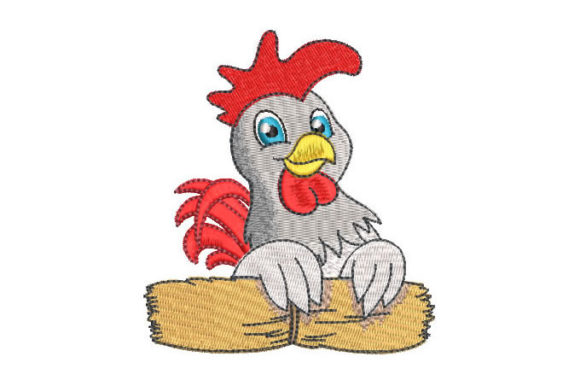
As an embroidery designer who has spent years digitizing files and consulting with small business owners, I know that choosing the right design asset is about more than just aesthetics. It is about durability, brand alignment, and production efficiency. When I first encountered Farm Hen, a machine embroidery design categorized under Birds, my initial reaction was one of cautious optimism. The promise of adding a lovely pop of color and cuteness to designs is compelling, but does it hold up under the scrutiny of commercial application? After reviewing its potential for branded patch use and small business merchandise, I have formed a clear perspective on where this cheerful bird embroidery fits best in a professional portfolio.
First Impressions: Balancing Charm and Professionalism
The visual personality of Farm Hen leans heavily into the rustic and playful spectrum. For boutique owners, bakeries, florists, or creative studios, this aesthetic is gold. It feels handmade, approachable, and warm. However, from a technical standpoint, "cute" can sometimes translate to "cluttered" if not managed correctly. The description suggests it will look amazing on kitchen towels and farmhouse decor, which implies a certain level of detail. My primary concern as a designer is always how these details translate when scaled down for logos or scaled up for statement pieces. Does the charm survive the needle? In my assessment, Farm Hen offers a decorative quality that works exceptionally well for brands wanting to project friendliness and community values rather than corporate sterility.
Strategic Applications for Small Business Merch
For Etsy sellers and merch creators, versatility is key. Here is how I envision Farm Hen performing across various product lines:
- Embroidered Patches: This is perhaps the strongest use case. A well-digitized hen can serve as a standalone badge for tote bags or denim jackets. It allows customers to buy a low-cost add-on that increases the perceived value of their purchase.
- Apron Embroidery: For local cafes, bakeries, or craft workshops, staff aprons are walking billboards. Placing Farm Hen on the chest pocket area creates an instant connection with customers who appreciate artisanal vibes.
- Tote Bag Design: Canvas bags benefit from bold, colorful designs. The "pop of color" mentioned in the product description suggests high thread color contrast, which stands out beautifully against natural cotton or canvas textures.
- Cap Embroidery: While possible, this requires caution. The curved surface of a cap front distorts detailed images. If used here, it must be simplified or sized appropriately to avoid puckering.
Using this digital embroidery file as part of a cohesive collection can enhance your brand identity. Imagine a floral shop using Farm Hen on gift tags, paired with matching ribbon. It creates a memorable unboxing experience that drives customer trust and recognition.
Technical Considerations and Production Risks
Before running a batch of custom apparel, you must address the technical realities of embroidery. Not every design works on every fabric. Here are the critical areas where Farm Hen requires careful evaluation:
- Stitch Density and Fabric Texture: If the design has high stitch density, it may cause puckering on lightweight fabrics like silk or thin polyester. Always test on a scrap piece of the actual material you intend to use. For textured fabric like terry cloth towels, ensure the underlay stitches are sufficient to anchor the design.
- Small Patch Sizes: If you plan to use Farm Hen as a tiny label or sleeve detail, check the legibility. Fine details often merge together when scaled below two inches. You may need to request a simplified version or adjust the digitizing settings to reduce complexity.
- Dark Uniforms: The description highlights color and cuteness. Ensure that the thread colors chosen have enough contrast against dark navy or black uniforms. If the design relies on light pastels, it may get lost without proper backing or outlining.
- Washability: Items like kitchen towels and work shirts undergo frequent washing. Verify that the stabilizer used is tear-away or cut-away depending on the garment's stretch, ensuring the finished product remains intact after multiple cycles.
It is crucial to note that the provided description does not specify exact stitch count, file format, or hoop size. As a professional, I advise you to check these details before production. Knowing the hoop size is essential for planning placement, especially if you are using multi-head machines for bulk orders.
Enhancing Brand Identity Through Embroidery
Why choose Farm Hen over a generic clipart logo? Because embroidery adds tactile value. A printed logo is flat; an embroidered patch has depth. This physical dimension signals quality and effort. For handmade product sellers, this aligns perfectly with the narrative of craftsmanship. When a customer touches the raised threads of Farm Hen on a hoodie, they subconsciously associate that texture with premium quality.
Furthermore, consistency in visual assets builds recognition. If Farm Hen becomes a signature element across your printable mockup materials, social media graphics, and physical goods, it strengthens your brand story. It tells customers that you pay attention to details. Whether used as a subtle chest logo accent or a bold back print, it serves as a visual anchor for your business.
Practical Designer Notes for Implementation
To ensure success with this design, follow these steps before committing to a large run:
- Test in Black and White First: Remove color from your view to check the structural integrity of the design. If it looks muddy in grayscale, it will lack definition in color.
- Review Thread Color Contrast: Select threads that complement your brand palette but also stand out against the base fabric. Do not rely solely on the default color map in your software.
- Inspect Spacing and Hoop Size: Confirm that the design fits within your standard hoop size without requiring excessive re-hooping, which slows down production.
- Create a Mockup for Client Approval: Use a printable mockup or a digital composite to show clients how Farm Hen will look on their specific garment. This manages expectations and reduces revision requests.
- Confirm Commercial Licensing: Before using this design assets for commercial embroidery projects, verify the license terms. Ensure you have the rights to sell finished products featuring this design.
In conclusion, Farm Hen is a strong contender for businesses aiming to project warmth and artisanal charm. It excels in applications like patches, aprons, and home decor where its detailed, colorful nature can be fully appreciated. However, success depends on rigorous testing regarding stitch density, fabric compatibility, and sizing. By treating this embroidery file as a strategic brand asset rather than just a decorative image, you can leverage its appeal to boost engagement and sales. For small business owners looking to add a unique, handmade touch to their merchandise, this cheerful bird offers a delightful opportunity to stand out in a crowded market.