Review: Dutch Oven Filled with Glowing Charcoal Design
As a designer who has spent countless hours digitizing and testing machine embroidery patterns, I have learned that the difference between a good design and a great one often lies in the details. When I first loaded the Dutch Oven Filled with Glowing Charcoal file into my software, I was immediately drawn to its cozy, rustic charm. It is not just a picture of cookware; it captures a specific mood of warmth and home comfort. For those of us running a craft business or selling handmade products, finding designs that evoke an emotional response is key to driving sales.
First Impressions and Visual Personality
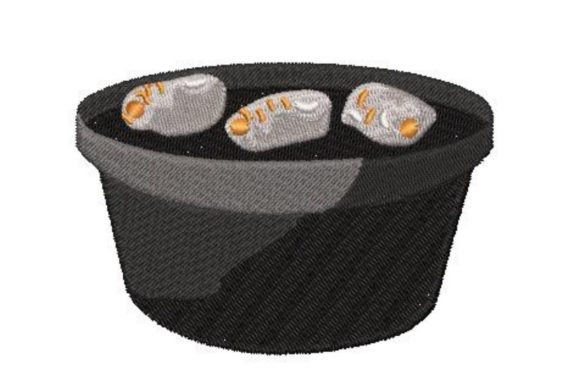
The layout of this design is classic yet inviting. The silhouette of the dutch oven is distinct, making it instantly recognizable even from a distance. What stands out most is the representation of the glowing charcoal. In embroidery, depicting light and heat is challenging, but this design uses smart stitch placement to suggest that inner glow without relying on overly complex shading that might muddy the final look. The visual personality feels grounded and traditional, fitting perfectly into the Kitchen category for home decor enthusiasts.
I appreciate that the design avoids unnecessary clutter. Many modern embroidery files suffer from over-digitization, where every tiny detail is stitched out, leading to thread breaks and puckering. This piece feels balanced. It leaves enough negative space to let the fabric breathe, which is crucial for maintaining the integrity of the finished product. Whether you are an experienced designer or a hobbyist just starting your Etsy seller journey, this type of clean, intentional design is a relief to work with.
Real-World Application: The Custom Tote Bag Test
To truly evaluate a machine embroidery design, you have to take it off the screen and put it on fabric. I decided to test the Dutch Oven Filled with Glowing Charcoal on a heavy canvas tote bag, a popular item for small shop products and boutique branding. Canvas is unforgiving if your stitch density is too high, but it rewards clean, bold lines.
I used a medium-weight cut stabilizer to ensure the fabric did not shift during stitching. The result was crisp. The fill stitch used for the body of the pot provided solid coverage, while the satin stitch outlines gave it definition. For a personalized gift or a holiday embroidery project, this design works beautifully because it reads well on textured fabrics. Customers love items that feel substantial and well-made, and this design contributes to that perception of quality.
Versatility Across Product Lines
Beyond tote bags, this design has significant potential for custom apparel. Imagine this stitched on the chest of a neutral-toned sweatshirt embroidery project. The cozy theme aligns perfectly with autumn and winter collections. It would also make a charming addition to an apron, turning a functional kitchen item into a statement piece. For those creating embroidered patches, the compact nature of the design allows it to fit within standard hoop sizes without losing detail.
If you are a digital embroidery file seller, this asset appeals to a broad audience. It fits seamlessly into collections focused on camping, cooking, or rustic home decor. The versatility means you can market it to various niches, from outdoor enthusiasts to home chefs. This broad appeal is vital for maximizing the return on your design assets.
Technical Considerations for Stitching Success
While the design is robust, there are practical factors to consider before hitting start on your machine. The "glowing" effect likely relies on specific thread colors. I recommend testing different shades of orange, red, and yellow to see which combination provides the best contrast against your chosen fabric texture. On dark fabric, you may need to adjust the underlay or use a lighter base thread to ensure the glow pops.
Stitch density is another critical factor. If you plan to use this on thin fabric or stretchy material like a baby embroidery onesie, you must use the appropriate stabilizer. A tear-away might suffice for stable cottons, but knit fabrics require more support to prevent distortion. Always test the design on scrap fabric first. This step saves time and materials, ensuring that the final product meets your professional standards.
Be mindful of small hoop sizes. While the design is not overly large, cramming it into a tiny hoop might compromise the clarity of the charcoal details. Ensure your hoop size matches the recommended dimensions for the file. If the design includes any tiny lettering or intricate corners, inspect them closely in your software’s preview mode. Zoom in to check for potential jump stitches or areas where the needle might penetrate the same hole multiple times, which can weaken the thread.
Commercial Viability and Brand Consistency
For commercial embroidery projects, consistency is everything. Your customers trust you to deliver a product that looks professional every time. The Dutch Oven Filled with Glowing Charcoal design supports this by offering a reliable stitch path that minimizes thread breaks and trims. Fewer stops mean faster production times, which is essential for meeting demand during peak seasons like holiday embroidery rushes.
When creating printable mockups for your online store, this design photographs well. The contrast between the dark pot and the bright charcoal creates visual interest that draws the eye in thumbnail images. This increased buyer engagement can lead to higher conversion rates for your small shop product listings. It adds value to your brand by showcasing your ability to select high-quality, thematic designs that resonate with your target audience.
Final Designer Notes
Before using this design for client projects or selling finished items, always confirm the licensing terms. Since the product description mentions it comes with multiple embroidery file formats, ensure you have the correct file for your machine. Check whether the license allows for commercial use if you plan to sell physical goods. Transparency with your customers about the handmade nature of your products builds trust and loyalty.
In summary, the Dutch Oven Filled with Glowing Charcoal is a strong contender for your next embroidery project. It balances aesthetic appeal with technical practicality. Whether you are decorating your own home or building inventory for your craft business, this design offers the warmth and professionalism that customers seek. Take the time to test it on different fabrics, adjust your thread colors for optimal impact, and enjoy the process of bringing this cozy image to life through stitch and thread.