Reviewing Person Cross Stitching for Craft Fair Success
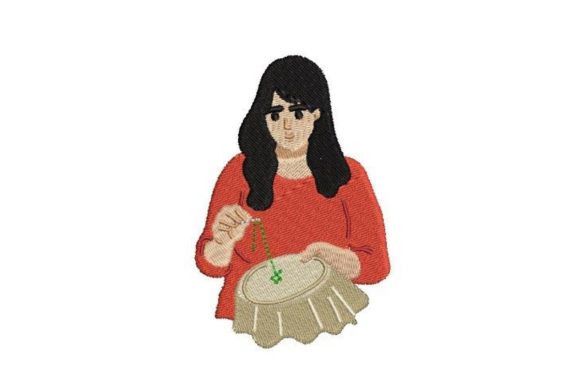
As an embroidery designer who has spent countless weekends behind a booth table, I know that the difference between a browsing customer and a buying customer often comes down to visual impact. When I first loaded the Person Cross Stitching machine embroidery design onto my screen, my immediate reaction was one of warmth and relatability. This is not just another floral motif or generic monogram; it is a narrative piece. The description promises a cute depiction of a woman cross stitching, which instantly signals to the viewer that this product is made by someone who understands the craft. For us as makers, this meta-reference creates an immediate bond with our customers.
First Impressions and Aesthetic Appeal
The aesthetic of Person Cross Stitching leans heavily into the cozy, handmade vibe that dominates current market trends. It feels rustic yet modern, appealing to the farmhouse decor crowd as well as the contemporary fiber arts community. The charm lies in its simplicity. It does not try to be overly complex or photorealistic. Instead, it offers a stylized, approachable look that reads clearly from a distance. This is crucial for a craft fair product. When a potential buyer is walking past your table, they have seconds to catch their eye. A design that is too dense or intricate can look like a blur from three feet away. This design, however, maintains its integrity and cuteness even at a glance.
For Etsy seller accounts and small shop owners, this visual clarity translates directly to better click-through rates on thumbnail images. The subject matter—a woman engaged in the very act we are selling—adds a layer of authenticity that mass-produced items simply cannot replicate. It tells a story of patience, creativity, and love for the craft.
Versatility Across Product Lines
One of the strongest assets of this digital embroidery file is its adaptability. I tested the concept across several common handmade product categories, and the results were promising. Here is how it performs on key items:
- Tote Bag Design: This is perhaps the strongest application. Placed centrally on a canvas tote, the design becomes a statement piece. It appeals to book lovers, teachers, and fellow crafters who want to carry their supplies in style.
- Apron Embroidery: An apron featuring this design makes for an excellent gift for grandmothers, mothers, or anyone who enjoys cooking and crafting. It adds a personal touch to a functional item.
- Tea Towel Embroidery: Kitchen textiles are high-volume sellers at fairs. The design works well here, provided you manage the stitch density so the towel remains absorbent and soft.
- Embroidered Patch: If you offer iron-on or sew-on patches, this design is ideal. It allows customers to customize their own jackets, bags, or hats without buying a whole new item.
- Pillow Covers: A small hoop version of this design on a linen pillow cover creates a charming home decor item that fits perfectly in a living room or reading nook.
When considering commercial embroidery for boutique clients, this design also holds up. It can be scaled down for a subtle chest logo on a branded work shirt for a sewing studio or scaled up for a wall hanging in a craft store.
Production Practicalities and Technical Notes
While the design is visually appealing, practical production considerations are vital for maintaining profit margins and quality control. Since the product description mentions that the machine embroidery design comes with multiple embroidery file formats, you have the flexibility to choose the right size for your hoop. However, always check the specific details provided by the designer regarding exact dimensions and stitch counts before starting a large batch.
Stitch Density and Fabric Texture
Cross-stitch style designs can sometimes be dense if not optimized. Before committing to a full run, test the design on scrap fabric similar to your final product. Pay close attention to the thread colors you select. High contrast is key. If you are stitching on a dark fabric, ensure the thread colors pop. Conversely, on light fabrics, avoid threads that are too pale, as the details may get lost. The texture of the fabric matters immensely. On textured towels, ensure the stitches are tight enough to cover the weave but not so dense that they cause puckering.
Hoop Size and Stabilizer
Confirm the recommended hoop size for the specific format you are using. Using the correct stabilizer is non-negotiable. For stretchy fabrics like t-shirts or thin cottons, a cut-away stabilizer might be necessary to prevent distortion. For woven fabrics like tote bags or tea towels, a tear-away stabilizer usually suffices and keeps the back of the item neat.
Small Details and Clarity
Be cautious if you plan to shrink this design significantly for small items like coin purses or keychains. Tiny details, such as the needle or the thread in the woman’s hand, may lose clarity at smaller sizes. Always create at least one real mockup to verify that the design remains recognizable. If the details become muddy, it is better to use the design on larger items where it can breathe.
Marketing and Brand Consistency
From a branding perspective, Person Cross Stitching reinforces the identity of a maker who values tradition and skill. It aligns perfectly with brands that emphasize slow fashion, handmade quality, and artistic integrity. When you display this design in your booth, it acts as a conversation starter. Customers often ask, "Is that you?" or "Do you cross stitch too?" This engagement is invaluable. It transforms a passive display into an interactive experience.
For online listings, use a printable mockup or high-quality photos of the finished product in a lifestyle setting. Show the tote bag being used at a farmer's market or the apron worn in a bright, sunlit kitchen. These design assets help customers visualize the item in their own lives, increasing the perceived value of the finished product.
Final Verdict for Small Shop Owners
In conclusion, Person Cross Stitching is a strong contender for any embroidery business looking to expand its small shop product line. It is versatile, emotionally resonant, and technically manageable with proper testing. It bridges the gap between decorative art and functional utility. Whether you are selling at a local weekend market or running a global Etsy store, this design offers the charm and professionalism needed to stand out. Remember to verify commercial licensing terms included with your purchase to ensure you are compliant when selling finished goods. With careful attention to thread choice and stabilizer selection, this design can become a staple in your best-selling inventory.