Winter Joy: A Designer’s Review for Craft Fair Success
As an embroidery designer who has spent countless hours behind the hoop and even more time standing behind a craft fair table, I know that not every design translates into sales. Some look beautiful on screen but vanish in a busy booth. Others are too complex to produce in bulk. Today, I am reviewing Winter Joy, a machine embroidery design that promises to be the perfect embellishment for those inspired by the colder months. Let’s break down whether this digital embroidery file deserves a spot in your next production run.
First Impressions and Market Fit
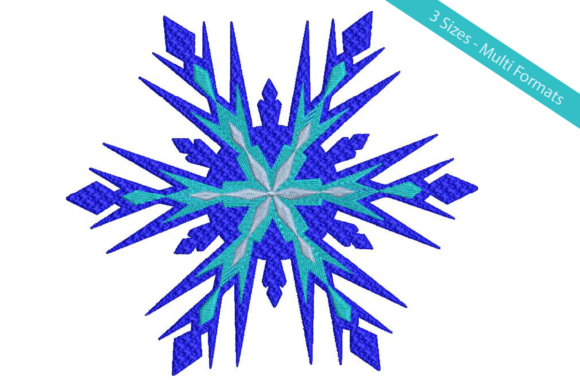
The title Winter Joy immediately sets a specific tone. It suggests warmth, nostalgia, and seasonal celebration without leaning heavily into religious iconography or overly kitschy holiday tropes. From a product judgment perspective, this feels like a versatile, soft, and decorative asset. It is not necessarily bold or loud; rather, it appears to be a simple and beautiful addition to winter jackets, jumpers, and hoodies.
For the Etsy seller or small shop product creator, this ambiguity is actually a strength. A design that is too specific might only sell in December. However, a design that captures the general essence of the season can sell from November through February. When I visualize this on a display table, I see it appealing to customers looking for handmade quality and subtle festive cheer. It fits well within the modern farmhouse or cozy rustic aesthetic that dominates the handmade market during the winter months.
Product Application and Versatility
The real test for any craft fair product is its adaptability. Can you use one embroidery file across multiple product lines to maximize your return on investment? Winter Joy seems designed for this exact purpose. Here is how it performs across common handmade items:
- Tote Bag Design: Placed centrally on a canvas tote, this design becomes a statement piece. It transforms a generic bag into a seasonal accessory.
- Apron Embroidery: For kitchen-focused buyers, stitching this onto a linen or cotton apron adds a touch of homemade warmth. It works exceptionally well as a chest pocket accent.
- Tea Towel Embroidery: This is a high-volume seller at fairs. The simplicity of the design ensures it does not overwhelm the small surface area of a towel hem.
- Embroidered Patch: If the design allows for a satin stitch border, it can be turned into iron-on patches. These are excellent impulse buys for younger demographics.
- Caps and Hoodies: The description mentions jumpers and hoodies. On curved cap surfaces, you must be careful with distortion, but on flat hoodie chests, this design should lay cleanly.
For boutique makers, this versatility means you can create a cohesive collection. Imagine a display featuring matching tote bags, aprons, and tea towels. This brand consistency strengthens your booth display strength and encourages customers to buy multiple items as gifts.
Production Practicality for Small Shops
When preparing for a weekend craft fair, time is money. You need a design that is repeatable for batch production. Winter Joy is described as simple, which usually correlates with lower stitch counts and faster run times. This is crucial for keeping your cost per unit low.
However, simplicity does not mean careless. As an experienced designer, I advise checking the stitch density before running a full batch. If the design relies on dense fill stitches to create solid shapes, it may pull on lightweight fabrics like tea towels. Conversely, if it uses mostly running stitches or light fills, it will be quick to produce but may require a cut-away stabilizer to prevent puckering on stretchy fabrics like hoodies.
Photography is another key factor. A clean, uncluttered design like this photographs well for online listings. It creates clear printable mockup opportunities for your digital store front. Customers can easily see what they are buying, which reduces hesitation and increases buyer engagement.
Careful-Use Notes and Technical Considerations
While Winter Joy sounds promising, there are technical pitfalls to avoid. Always consider the fabric texture and color contrast.
- Fabric Texture: Textured towels or thick wool coats can hide fine details. If the design has tiny elements, they may get lost in the pile of a terry cloth towel. Test on scrap fabric first.
- Thread Colors: Winter themes often call for whites, silvers, or icy blues. Stitching white thread on white fabric looks elegant but can be hard to see from a distance in a busy market. Consider using high-contrast thread colors for your display samples to catch the eye, then offer custom color options for orders.
- Small Lettering: If the design includes text, ensure it is large enough to remain legible when scaled down for smaller items like pouches. Tiny lettering often merges together after washing.
- Dark Fabric: If stitching on dark navy or black hoodies, ensure your thread has enough sheen or thickness to stand out. Matte threads may disappear against dark backgrounds.
Additionally, always confirm the hoop size required. If the design is large, it may not fit on standard 4x4 hoops, requiring you to re-hoop or use a larger machine. This impacts your production workflow significantly.
Enhancing Visual Appeal and Brand Value
Using a well-chosen design like Winter Joy elevates the perceived value of your finished product. It signals to the customer that thought went into the creation. It is not just a blank item; it is a curated piece of art. This attention to detail builds trust and encourages repeat business.
For the commercial embroidery professional, this design serves as a reliable asset. It is safe, seasonal, and broadly appealing. It does not alienate customers with polarizing humor or niche references. Instead, it invites them in with a sense of comfort and joy. This broad appeal is essential for maximizing foot traffic conversion at a craft fair.
Final Designer Recommendations
Before you commit to producing fifty units for your next market, take these practical steps:
- Test on Scrap Fabric: Never skip this step. Check for puckering, thread breaks, and registration issues.
- Check Stabilizer: Match your stabilizer to your fabric. Use tear-away for stable wovens and cut-away for knits.
- Review Spacing: Ensure elements are not too close together, which can cause thread nesting.
- Create a Real Mockup: Photograph the actual stitched item, not just a digital render. Real photos build more trust with Etsy sellers and direct buyers.
- Confirm Licensing: Ensure your purchase of the digital embroidery file includes commercial licensing rights to sell the finished product. Never assume; always read the terms.
In conclusion, Winter Joy appears to be a strong contender for your winter product line. Its simplicity allows for speed, while its thematic relevance drives seasonal demand. By paying attention to fabric choice, thread contrast, and production efficiency, you can turn this single embroidery file into a profitable range of handmade goods. Whether you are selling embroidered patches or premium tote bags, this design offers the flexibility and charm needed to succeed in the competitive handmade market.