Tiny Kitten Embroidery: A Designer’s Honest Review
As an embroidery designer who spends countless hours digitizing and stitching, I am always cautious about which machine embroidery design assets I integrate into my workflow. When I first encountered Tiny Kitten on Creative Fabrica, I was immediately drawn to its charm. The product description promises a fierce yet adorable character, and for those of us in the Baby Animals niche, finding a design that balances cuteness with personality is essential. This review explores whether this specific embroidery file holds up under the scrutiny of real-world production, from custom apparel to boutique home decor.
First Impressions and Visual Appeal
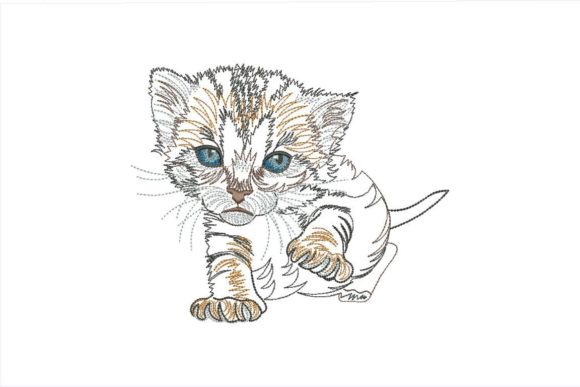
The initial visual impact of Tiny Kitten is undeniably strong. It captures that specific "aww" factor that drives sales in the handmade market. The design does not feel generic; instead, it possesses a distinct stitching personality that suggests careful digitization. For embroidery designers, the line work appears clean, avoiding the messy jumps or excessive trims that can plague lower-quality digital embroidery file purchases. The aesthetic fits perfectly within the current trend of whimsical, character-driven Embroidery projects that appeal to both children and adults who appreciate playful motifs.
What stands out most is the potential for versatility. While many kitten designs lean heavily into overly complex shading that can look muddy when stitched out, Tiny Kitten seems to rely on clear shapes and defined edges. This clarity is crucial when working with smaller hoop sizes or when scaling the design down for items like baby socks or pocket squares. The decorative appeal lies in its simplicity, making it an excellent candidate for beginners and seasoned pros alike who want a reliable, quick-stitch option.
Real-World Application for Handmade Products
To truly evaluate a design, I consider how it performs across various substrates. Tiny Kitten is not just a digital asset; it is a tool for creating tangible value. Here is how I envision this design fitting into a commercial embroidery lineup:
- Custom Apparel: The design scales beautifully for left-chest placement on sweatshirts or t-shirts. Its compact nature ensures it does not overwhelm the garment, maintaining a professional, boutique look.
- Tote Bag Design: Canvas bags benefit from bold, clear imagery. This kitten motif adds a lovely character to each of your creative embroidery projects, turning a plain utility item into a statement piece.
- Nursery Decor: For baby blankets or pillow covers, the softness of the subject matter aligns perfectly with the intended audience. It serves as a gentle focal point without being visually aggressive.
- Embroidered Patch: With the right stabilizer and edge finishing, this design makes for an excellent iron-on or sew-on patch, expanding its use beyond direct-to-garment applications.
For Etsy sellers and small business owners, having a versatile design like this allows for consistent branding. You can use the same Tiny Kitten motif across a spring collection, featuring it on aprons, kitchen towels, and caps. This consistency helps build buyer trust and recognition, as customers begin to associate that specific cute aesthetic with your brand.
Technical Considerations for Stitching Success
While the design is adorable, practical execution requires attention to detail. Before running a full production batch, I always recommend stitching a test sample on scrap fabric. This is non-negotiable for maintaining quality control. Here are specific technical aspects to consider when working with Tiny Kitten:
Fabric and Stabilizer Choice: If you are stitching on stretchy fabric like jersey knits for t-shirts, a cut-away stabilizer is essential to prevent puckering. For woven fabrics like cotton tote bags or aprons, a tear-away may suffice, but always check the stitch density. If the design has dense fill areas, ensure your stabilizer can support the weight of the thread without distorting the fabric.
Thread Color Contrast: The visual success of this design relies heavily on your thread choices. On dark fabrics, ensure you use high-contrast colors or consider a light-colored underlay if the digitizing supports it. Conversely, on white or pastel baby items, subtle tonal variations can add depth without losing the delicate nature of the kitten.
Hoop Size and Placement: Since this is a smaller design, it likely fits well in standard 4x4 or 5x7 hoops. However, always confirm the exact dimensions on the Creative Fabrica product page. When placing the design on curved surfaces like caps, be mindful of distortion. A smaller design minimizes this risk, but proper hooping technique is still critical to ensure the kitten does not look stretched or warped.
Enhancing Product Value and Customer Engagement
In the competitive world of handmade goods, presentation is everything. Tiny Kitten offers a significant advantage in product photography. A well-stitched, crisp image of this kitten on a high-quality towel or onesie creates an immediate emotional connection with potential buyers. It transforms a simple commodity into a personalized gift that feels thoughtful and unique.
For those selling printable mockups or digital previews, this design assets package can help visualize the final product before a single thread is stitched. This capability is invaluable for pre-selling items at craft fairs or online. The "fierce and very adorable" description resonates with customers looking for character, not just decoration. It invites engagement, encouraging buyers to imagine the item in their own homes or as gifts for loved ones.
Final Verdict and Best Practices
Is Tiny Kitten worth adding to your library? For designers focusing on baby items, pet lovers, or whimsical home decor, the answer is likely yes. It fills a specific niche within the Baby Animals category with a level of charm that is hard to replicate manually. However, success depends on your execution.
Before committing to a large order, always review the license terms on the Creative Fabrica product page. Ensure that the commercial embroidery rights align with your business model. Check if the package includes multiple formats compatible with your specific machine. While the description mentions it comes with multiple options, verifying the specific file types (such as PES, DST, or JEF) is crucial for seamless integration into your workflow.
Ultimately, Tiny Kitten is a solid addition to any embroidery designer’s toolkit. It offers flexibility, visual appeal, and the potential for high perceived value in finished products. By paying attention to stabilizer choice, thread contrast, and fabric type, you can leverage this design to create standout items that delight customers and enhance your brand’s reputation for quality and creativity.